

🧭 Introduction: Why This Question Matters Now
In 2025, artificial intelligence has become a core part of content creation. From solo bloggers to major media outlets, everyone is using tools like ChatGPT, Claude, and Grok to write articles, product descriptions, and even video scripts. But one question keeps surfacing: Does Google accept this type of content? And does it affect indexing, ranking, or AdSense monetization?
This article breaks down Google’s official policies, analyzes real-world practices, and offers a grounded personal perspective to help you make smart decisions in your blogging journey.
📜 Google’s Official Policy on AI-Generated Content
In its latest updates to Google Search Central, the company clarified that it does not reject content based on how it was created, but rather focuses on quality, accuracy, and user value.
“We reward high-quality content, regardless of how it’s produced.” – Google Search Central
However, this doesn’t mean all AI content is automatically accepted. Google may flag content if it’s:
- Repetitive or rephrased without adding value
- Created solely to manipulate search rankings
- Lacking context or human editorial effort
🚫 Does Google Consider AI Content Spam?
Yes—under certain conditions. According to Google’s guidelines, pages that rely entirely on auto-generated content without human effort or added value may receive a “lowest quality” rating from human reviewers.
“Content that’s auto-generated or republished without effort, originality, or added value should be rated lowest.” – Google Quality Rater Guidelines
This means AI use isn’t banned, but it must be supported by human editorial input.
🔍 How Does Google Evaluate Article Quality?
Google uses the E-E-A-T framework:
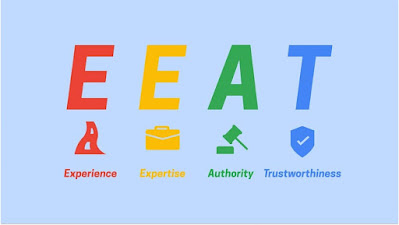
- Experience: Does the author have real-world knowledge?
- Expertise: Does the content reflect deep understanding?
- Authoritativeness: Is the site trustworthy?
- Trustworthiness: Is the content accurate and safe?
AI-generated articles can meet these standards if carefully edited, backed by credible sources, and presented in a user-centric format.
🧠 Should You Disclose AI Usage?
Google doesn’t require disclosure, but it encourages transparency. In some cases—especially commercial or medical content—it’s wise to clarify how the content was produced.
“Sharing information about how content is created can help users understand the context.” – Google Developers
✅ Best Practices for Getting AI Content Accepted by Google
To ensure your AI-written content is accepted and indexed, follow these tips:
- Always review and edit the article manually
- Add internal and external links to credible sources
- Use clear formatting and readable structure
- Avoid keyword stuffing or repetitive phrasing
- Provide genuine value to the reader through insights or analysis
🧪 Originality Check Tools: Are Their Results Always Accurate?
Tools like Quetext, Copyscape, and GPTZero are commonly used to check originality, but their results aren’t always reliable. Even fully original content may show low uniqueness scores due to common phrases or general knowledge.
So, don’t treat these tools as final judges. Use them as guides, and focus on actual content value.
🔁 Do Rewriting Tools Affect Acceptance?
Yes—especially when overused. Tools like QuillBot or Wordtune can improve style, but if the entire article is rephrased without adding new insights, Google may consider it low-quality.
🧩 AI-Generated vs AI-Assisted Content: What’s the Difference?
- AI-Generated: Written entirely by an AI tool
- AI-Assisted: Written or edited by a human using AI tools
Google tends to favor the second type, as it reflects human effort and meets quality standards more consistently.
🌟 Can AI Content Earn a Featured Snippet?
Yes—if it’s accurate, well-structured, and answers user queries clearly. There are documented cases of AI-assisted articles earning snippets, especially in tech and educational niches.
🧬 How Does Google Handle Hybrid Content?
Google doesn’t mind hybrid content (AI + human). In fact, it often performs better. The key is that the final output must be:
- Useful
- Accurate
- Well-formatted
- Non-repetitive
🛠️ Tools to Improve AI Content for Google
- Grammarly: For language and tone refinement
- Surfer SEO: For keyword optimization and structure
- NeuronWriter: For competitor analysis and content planning
- Originality.ai: For plagiarism and AI detection
📌 Read also: AI in Healthcare: Accurate Diagnosis, Personalized Treatment, and the Future of Medicine
🧠 Personal Perspective: Why Google Rejects AI Content Without Human Touch
In my view, Google doesn’t reject AI per se—it rejects editorial laziness. Content published without review, structure, or added insight is simply not useful. AI is a powerful tool, but it cannot replace human intuition in understanding audience needs, crafting messages, and delivering value.
🧾 What About AdSense Approval for AI Articles?
Here’s where nuance matters. Google doesn’t explicitly ban AI-written content from monetizing via AdSense. But it does require that content be original, helpful, and policy-compliant. If your site relies on repetitive or low-quality AI content, your monetization may be suspended or denied.
So don’t fear using AI—just don’t rely on it blindly. Treat it as a co-writer, not a replacement.
❓ Frequently Asked Questions About Google’s Acceptance of AI-Written Content
① Does Google reject articles written entirely by AI?
A: Not necessarily. Google evaluates content based on quality, not the method of creation. If the article is helpful, original, and well-structured, it can be accepted—even if fully AI-generated.
② Can I monetize AI-written content with AdSense?
A: Yes, as long as the content meets Google’s quality and policy standards. Low-quality or repetitive AI content may lead to rejection or account suspension.
③ Do I need to disclose that my article was written using AI?
A: Not officially required, but transparency builds trust—especially in sensitive niches like finance or health.
④Are originality check tools like GPTZero accurate?
A: Not always. Even original content may show low uniqueness scores due to common phrasing. Use these tools as guidance, not final judgment.
⑤ Can AI-generated content rank in search results?
A: Absolutely. If well-edited, SEO-optimized, and genuinely valuable to users, AI content can rank and even earn featured snippets.
🧭 Conclusion: Should You Worry or Adapt?
AI is not a threat—it’s an opportunity. Google doesn’t reject it, but it does reject poor content. If you use AI wisely, add your editorial touch, and follow quality guidelines, your articles will be accepted, indexed, and monetized.
In the end, great content serves the reader—not the algorithm.
💡 Want to level up your AI writing game? Check out our expert review:
Top 5 AI Writing Tools in 2025: In-Depth Review of Jasper, Rytr, Sudowrite, Writesonic & Writer
Discover which tool fits your content strategy best.